hosting for film academy
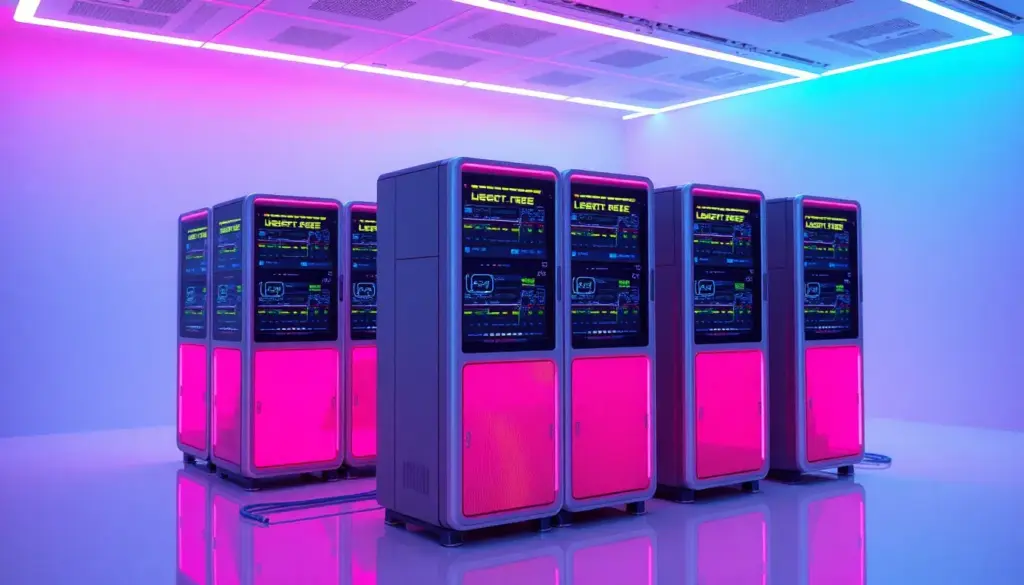
Quick Answer: In 2026, hosting for a film academy isn’t just about server space. It’s about providing a high-performance, collaborative, and secure digital backlot. The ideal solution must handle massive 8K+ raw footage files, enable real-time remote editing and review sessions for global students and faculty, and offer robust project management and asset libraries—all while keeping unreleased student films secure. Think of it as the critical, unseen infrastructure that powers the next generation of filmmakers, from pre-visualization to final render.
The 2026 Digital Backlot: Why Your Film Academy’s Hosting is the Most Critical Piece of Gear
Let’s be blunt. In 2026, if your film academy is still treating web hosting like a simple brochure site or a clunky FTP server for handing in assignments, you’re failing your students. The landscape of cinematic education has undergone a seismic shift. We’re no longer in an era of isolated edit suites and physical tape reels. Today’s filmmaking is a globally collaborative, data-intensive, and cloud-native process. Your hosting platform isn’t just IT overhead; it’s the digital backlot, the virtual soundstage, and the central dailies screening room for every student project. Choosing the right partner for hosting for film academy operations is now as fundamental as choosing the right cameras.
Think about the workflow: a director in London, a cinematographer in Mumbai, and an editor in Los Angeles collaborating on a single senior thesis film. They’re working with footage shot on cameras that output 12K RAW, with file sizes that can choke a standard server. They need to review color-graded scenes in near-real-time, share VFX pre-visualizations, and manage thousands of assets. This isn’t a futuristic dream; it’s the Tuesday schedule for a forward-thinking film school. The hosting infrastructure that supports this must be built for this specific, punishing purpose.
Core Pillar 1: Uncompromising Performance for Massive Media Assets
Performance is non-negotiable. We’re talking about the difference between a fluid, creative workflow and a frustrating exercise in watching progress bars.
Storage That Scales with Ambition: Student films in 2026 aren’t just longer; they’re exponentially denser. High Frame Rate (HFR) captures, immersive 360-degree footage for VR narratives, and incredibly rich RAW formats are the norm. Your hosting solution needs to provide high-speed, scalable SSD storage that can grow with each semester’s projects. Look for platforms offering object storage solutions integrated with a Content Delivery Network (CDN) to ensure that a faculty member in Tokyo can stream a student’s rough cut from a server in New York without buffering.
Processing Power for the Render Farm: The final render is where dreams meet silicon. Cloud-based rendering has become the standard, freeing up local machines and allowing for iterative, complex outputs. Your hosting environment should either integrate seamlessly with major cloud render services or provide dedicated, high-CPU/GPU instances that students can provision for those final, crunch-time renders of their CGI-heavy scenes.
Core Pillar 2: Enabling Global, Real-Time Collaboration
Filmmaking is a team sport. Your hosting platform must be the ultimate team facilitator.
The Centralized Asset Library: Gone are the days of “I have that clip on my hard drive.” A modern film academy hosting setup includes a secure, organized, and searchable digital asset management (DAM) system. Every script draft, storyboard, shot clip, sound effect, and music cue lives here, tagged with metadata. This becomes the single source of truth for every project, preventing version chaos and lost work.
Integrated Review and Approval Tools: Imagine a virtual screening room built into the platform. Faculty and students should be able to stream videos in pristine quality, leave time-coded feedback directly on the frame (“Lighting feels flat at 01:23:45”), and even draw on the image for precise notes. This replicates the professional dailies process and accelerates the feedback loop from weeks to hours.
Project Management Woven In: Hosting for a film academy must do more than store files. It should help manage the chaos of production. Integrated tools for task assignment, scheduling, call sheets, and communication keep student teams synchronized, teaching them vital production management skills alongside their creative craft.
Core Pillar 3: Security as Robust as a Studio Vault
Student films are intellectual property with real future value. They are also vulnerable to leaks, piracy, and unauthorized access.
Granular Access Controls: Security cannot be an afterthought. The platform needs enterprise-grade permissions. A freshman in Screenwriting 101 should not have access to the unreleased thesis films of graduating seniors. You need role-based controls that allow professors to grant access to specific project folders for specific students and revoke it just as easily.
Watermarking and Secure Streaming: For review copies, automatic, invisible watermarking is essential to trace any leaks. Furthermore, secure streaming protocols should prevent downloads or screen recording of sensitive work-in-progress cuts, giving students and faculty peace of mind during remote critiques.
Compliance and Data Sovereignty: With students from across the globe, understanding where their data resides is crucial. A premium hosting partner will offer clarity on data jurisdiction and comply with international standards, ensuring the academy’s operations are above board.
Building the Ecosystem: Essential Integrated Tools
The best hosting for film academy use in 2026 acts as a hub, connecting the specialized tools filmmakers use daily.
Seamless Editor Integration: The platform should offer plugins or direct integrations with major Non-Linear Editing (NLE) systems like Adobe Premiere Pro, DaVinci Resolve, and Final Cut Pro. This allows for a “proxy workflow” where students can edit with smaller, manageable proxy files stored and synced on the server, while the high-resolution originals remain safely in the cloud until the final conform.
Virtualized Creative Suites: Why force students to own expensive hardware? Some leading hosting solutions now offer virtualized desktop instances pre-loaded with the entire Adobe Creative Cloud, Autodesk Maya, or Nuke. A student with a basic laptop can log in and access a powerful remote machine capable of handling 8K editing, 3D animation, or complex compositing, democratizing access to top-tier tools.
Showcase and Portfolio Sites: The journey doesn’t end with the final render. Students need to showcase their work. Integrated, easy-to-use website builders that are optimized for video portfolios allow students to create professional reels and project pages that live on a fast, academy-branded domain, ready to impress festivals and future employers.
The HostVola 2026 Perspective: Infrastructure as a Creative Partner
At HostVola, we’ve moved beyond seeing this as mere “hosting.” We view it as providing Creative Infrastructure as a Service (CIaaS). Our solutions for film academies are built on the understanding that latency kills creativity, that security fosters artistic risk-taking, and that collaboration tools are the modern equivalent of a well-run production office.
We architect environments that give students a taste of professional, cloud-based post-production pipelines—the very same systems used by major streaming services and film studios today. By training on this infrastructure, graduates aren’t just skilled filmmakers; they are adaptable, tech-savvy collaborators ready to step onto any set or into any remote edit bay in the world.
Choosing your academy’s hosting partner is one of the most consequential curriculum decisions you’ll make. It’s the foundation upon which every frame of student creativity is built, shared, and secured. In 2026, make sure that foundation is engineered for the art of the possible.
Frequently Asked Questions (FAQs)
1. What’s the biggest mistake film academies make when choosing hosting?
The biggest mistake is opting for generic, high-traffic web hosting or a basic cloud storage bucket. These solutions lack the specialized tools for media collaboration, review, and project management. They also often have severe bandwidth throttling or egress fees that become astronomical when moving terabyte-sized video projects. You need a platform designed for the unique, heavy demands of media creation and education.
2. How do we handle the cost of storing massive student video files year after year?
A smart strategy is essential. Look for providers with transparent, scalable pricing and tiered storage options. Implement a clear data lifecycle policy: active project files on high-performance SSDs, completed projects from the last 2-3 years on more affordable high-capacity object storage, and an archive process for older projects (perhaps to cold storage or offline drives). Teaching students proper data management and organization is also a key part of their professional education.
3. Can this type of hosting support remote and hybrid learning models effectively?
Absolutely. In fact, that’s its primary strength in 2026. A properly configured film academy hosting platform is location-agnostic. It provides a centralized, cloud-based workspace where students and faculty can contribute equally from anywhere with a strong internet connection. The integrated review tools, virtualized applications, and real-time asset syncing are what make high-quality remote film education not just possible, but exceptionally effective.
HostVola 2026: Built for Speed
Scale your business with the most reliable Indian hosting of 2026.