hosting for music production academy
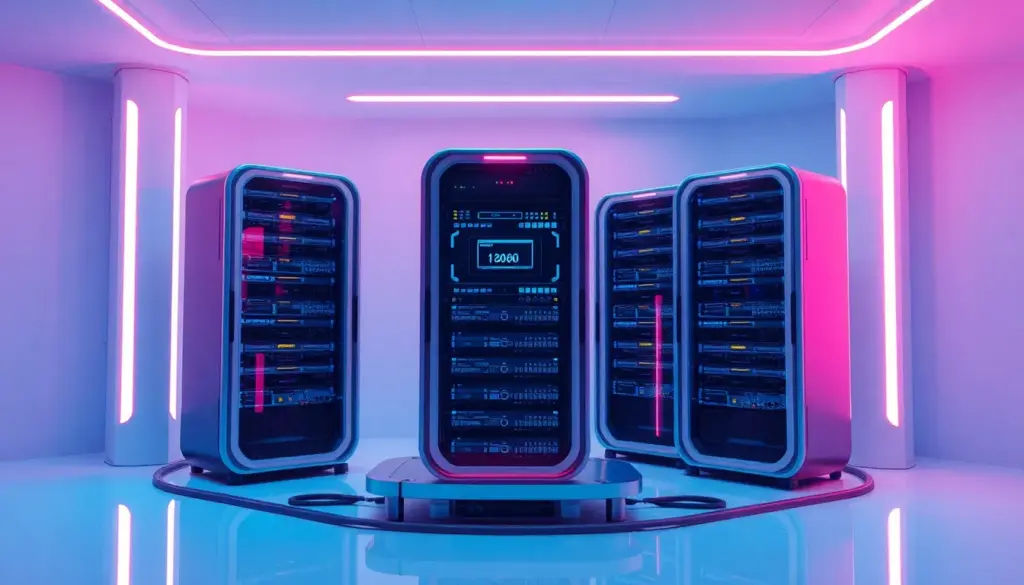
Quick Answer: In 2026, a Music Production Academy needs a hosting solution that is an audio-optimized powerhouse. It’s not just about uptime; it’s about low-latency global content delivery for streaming lessons, robust security for student projects and proprietary course material, scalable storage for massive sample libraries and project files, and seamless integration with specialized education and DAW-collaboration platforms. Think of it as the mission-critical studio server that never sleeps, enabling real-time collaboration between students and instructors from anywhere in the world.
The 2026 Soundscape: Why Your Academy’s Hosting is Its Most Critical Piece of Gear
Let’s be real. If you’re running a music production academy today, in 2026, you’re not just teaching how to sidechain a kick drum. You’re orchestrating a global, digital-first educational experience. Students aren’t just in a physical classroom; they’re collaborating from Berlin, Tokyo, and Buenos Aires on the same Ableton Live set. Instructors are live-streaming masterclasses in 4K with pristine, uncompressed audio feeds. Your entire curriculum—from foundational theory to advanced sound design for neural-audio interfaces—lives online. In this environment, your web hosting isn’t an IT expense; it’s the digital foundation of your entire pedagogical mission. A generic, slow, or insecure server is the equivalent of a crackling audio cable in a final mix—it ruins everything.
Latency is the Enemy: The Need for Speed in Real-Time Collaboration
Remember the slight lag on video calls a few years back? In a modern music production session, that’s utterly unacceptable. Today’s platforms allow students to jam together in real-time using tools like Audiomovers or Soundtrap, with near-zero latency. Your hosting server’s location and network become the central hub for this data. A hosting provider with a global Content Delivery Network (CDN) optimized for audio streams is non-negotiable. It ensures that a student in Mumbai experiences the same instantaneous response as one in New York when their instructor soloes a track. This low-latency environment is what makes remote learning feel immersive and professional, rather than a frustrating, disconnected experience.
Storage That Scales: From Gigabytes to Terabytes of Creativity
A student project file in 2026 isn’t a simple .mp3. It’s a sprawling Ableton Live set with 80+ tracks, each laden with high-fidelity samples, multiple instances of CPU-intensive virtual instruments, and hours of recorded audio. Now multiply that by hundreds of students, each creating multiple projects per term. Then add your academy’s own asset library: terabytes of exclusive sample packs, loop libraries, video lesson files, and plugin presets. Your hosting plan needs to offer seamless, scalable storage solutions, often integrating with object storage services. Running out of space can’t mean pausing a student’s coursework. The infrastructure must grow dynamically with the creative output of your community.
Security: Protecting More Than Data—Protecting Intellectual Property
This is where stakes get high. Your academy hosts two crown jewels: student intellectual property and your proprietary course content. Unfinished tracks, unique sound designs, and exclusive teaching methodologies are all vulnerable. A breach isn’t just a data leak; it’s a potential theft of creative futures and competitive advantage. In 2026, hosting must include:
- End-to-end encryption for file transfers and student portals.
- Advanced DDoS protection to keep your academy online during critical live events or enrollment periods.
- Automated, isolated backups that are immutable (tamper-proof) to guard against ransomware.
- Compliance with global data protection regulations (like GDPR 2.0 frameworks) for your international student body.
Your hosting partner must treat security with the seriousness of a bank, not a brochure website.
Integration Ecosystem: The Host as a Central Hub
Your academy’s digital presence is a symphony of specialized platforms. Your hosting server doesn’t exist in a vacuum. It must seamlessly integrate with:
- Learning Management Systems (LMS): Like Thinkific or Teachable, for course delivery and progress tracking.
- Collaboration Tools: Such as Splice Studio or dedicated DAW collaboration plugins.
- Payment and CRM Platforms: For handling global tuition and student management.
- Communication Tools: For community forums, live Q&A sessions, and mentorship channels.
A robust hosting environment, often on a Virtual Private Server (VPS) or cloud infrastructure, allows for the custom software installations and API connections that make this ecosystem sing in harmony, without performance bottlenecks.
The HostVola 2026 Blueprint for Music Education
So, what does the ideal 2026 hosting solution look like for a forward-thinking academy? It’s a tailored stack built on performance and understanding.
1. Audio-Optimized Server Configuration
Beyond raw CPU power, this means servers configured for high I/O (Input/Output) operations to handle simultaneous streaming and file transfers. Think NVMe SSD arrays as standard, not an upgrade. Bandwidth allowances must be generous and unmetered to accommodate daily video uploads and large sample library downloads without throttling.
2. Global Edge Network with Audio Prioritization
A CDN that prioritizes audio and video streaming packets, ensuring buffer-free delivery of masterclass content worldwide. This is the backbone of a premium student experience.
3. One-Click Staging & Development Environments
Academies constantly update their course portals and tools. A one-click staging area allows you to test new plugins, LMS updates, or site redesigns without taking your live academy offline—a crucial feature for continuous improvement.
4. Expert Support That Speaks Your Language
When you have a critical issue before a live-streamed workshop, you need support that understands terms like “latency spike,” “upload bottleneck,” and “database optimization for media galleries,” not just basic troubleshooting. Your host’s support team should be a technical partner.
Conclusion: Your Foundation for the Next Decade of Sound
Choosing hosting for your music production academy in 2026 is a strategic decision that directly impacts educational quality, student satisfaction, and institutional growth. It’s the invisible yet essential infrastructure that allows creativity and knowledge to flow without interruption. By investing in a specialized, robust, and scalable hosting environment, you’re not just keeping a website online. You’re powering a global community of creators, protecting their work, and delivering an educational experience that is as professional and high-fidelity as the music you teach them to make. In the symphony of your academy, don’t let your hosting be the weak link. Make it the rock-solid foundation that every great mix—and every great school—is built upon.
Frequently Asked Questions (FAQs)
1. Can’t we just use a popular generic cloud service for hosting?
While possible, it’s like using a generic audio editor instead of a professional Digital Audio Workstation (DAW). Generic clouds lack the audio-specific optimizations, pre-configured security for media intellectual property, and integrated tools needed for a seamless music education platform. You’ll spend more time and money on configuration, integration, and troubleshooting, diverting resources from your core mission: teaching music production.
2. How much storage do we realistically need to start?
For a small to mid-sized academy launching in 2026, a starting point of 500 GB to 1 TB of high-speed NVMe storage is prudent. However, the key is not the initial amount, but the ability to scale instantly and without migration headaches. Your hosting plan should allow you to add storage seamlessly as your library and student body grow, preferably with automatic tiering to cost-effective cold storage for archived projects.
3. What is the biggest hosting mistake music academies make?
The biggest mistake is treating hosting as a commodity and choosing based solely on price. The inevitable results are: slow streaming during peak hours frustrating students, inadequate security leading to data loss, and lack of scalability causing website crashes during enrollment or major live events. This damages reputation and trust. The correct approach is to view hosting as a critical operational partner in delivering your educational service.
HostVola 2026: Built for Speed
Scale your business with the most reliable Indian hosting of 2026.